Okay, so check this out—browser wallets feel like magic until they don’t. Wow! They’re fast, convenient, and yeah, kinda addictive when you need to sign a quick tx. But here’s the thing. One careless click, and your whole Ethereum wallet can be empty in minutes.
My instinct said browser extensions were safe for day-to-day DeFi moves. Initially I thought that convenience outweighs risk, but then a few near-misses changed my mind. Seriously? Yep. I watched a friend lose a cold-storage-like balance because a malicious site tricked their extension into approving a contract it shouldn’t have. That sucked. It taught me three things fast: permission hygiene matters, UI clarity isn’t universal, and not all wallets are created equal.
So this piece is for people who use DeFi from their browser (you, me, everyone trying to snag an airdrop at 2am). I’ll walk through common attack vectors, practical defenses you can use today, and why a good extension wallet matters. I’m biased, obviously; I like wallets that make safety obvious. But I’m also realistic about trade-offs—security doesn’t have to be a user nightmare. It just shouldn’t be wishful thinking.
Why browser extension wallets are attractive targets
Short version: they live where you browse. Long version: browser extensions sit between web apps and your keys, and that middle-space is small but very powerful. Attackers exploit sloppy UX, confusing permission flows, and social engineering. On one hand the extension isolates keys from web pages. On the other hand, once you grant permissions it can be like handing over your house keys to someone who looks friendly.
Phishing pages mimic legitimate dApps. Bots automatedly scan for wallets with unlocked tabs. Malicious contracts lurk on marketplaces. And sometimes the ecosystem itself ships a risky feature with an unclear prompt. It happens more than people admit. Hmm…forgot to lock my own extension one time—embarrassing, but instructive.
Here’s a taxonomy that helps me think clearly: wallet-level attacks (malicious extensions, seed exfiltration), web-level traps (phishing, malicious scripts), and transaction-level trickery (infinite approvals, calldata abuse). Each needs a different defensive posture. Actually, wait—let me rephrase that: there are overlapping controls you can apply that mitigate most of these simultaneously.
Don’t rely on FOMO or default settings. The defaults are built for onboarding, not fortress-grade protection. Be skeptical when a site asks for broad permissions. My gut says stop and read the prompt. Seriously, read it.
Practical defenses you can adopt today
Small habits. Big wins. That’s the mindset that saved a lot of folks I know. Quick checklist:
- Use a reputable extension wallet with granular permission controls.
- Lock your wallet when idle. Always.
- Use hardware wallets for large holdings and sensitive approvals.
- Limit token approvals instead of infinite approvals.
- Validate contract addresses and double-check dApp domains.
Some of these are obvious. Some feel annoying. But honestly, the friction is worth it. For instance, limiting allowance approvals cuts the most common exploit path in half. You approve a single amount and if something goes wrong, your attacker can’t drain other funds. It takes two extra clicks and a little discipline.
Another tip: set up address books in wallets that support them. That way, when a contract or transfer requests approval, familiar addresses stand out. It’s not foolproof, but it’s another layer. Layers compound. They don’t need to be perfect; they just need to be better than nothing.
Choosing the right extension: what to look for
Okay, so you want an extension wallet that actually helps rather than distracts. Here’s what matters to me, in order:
- Clear, contextual permission prompts (no vague techno-babble).
- Granular approval controls (token allowances, origin-limited permissions).
- Open-source or audited codebase—transparency matters.
- Good UX for hardware wallet integration.
- Active community and prompt security fixes.
Not all wallets offer that mix. Some prioritize slick onboarding over security. Some are forks with small teams. I’m picky. And yeah, sometimes I test wallets by trying to trick their approval flows (in a lab, of course). That bias shows up in my recommendations.
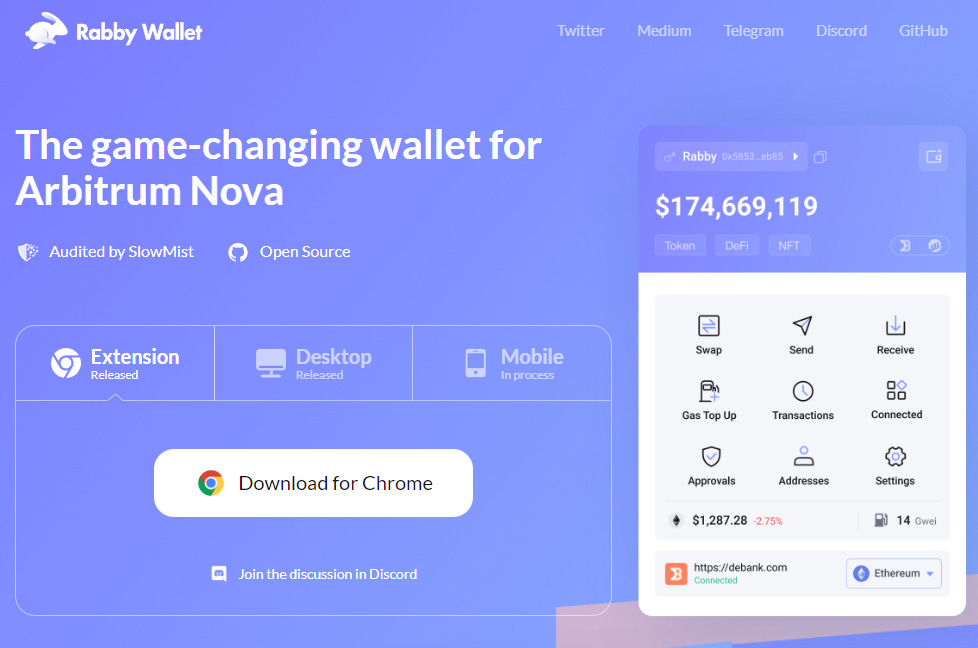
If you’re exploring options and want a wallet that balances usability with smart defaults, try this one I’m comfortable recommending — download it here. It nails a lot of the usability-security trade-offs: clear transaction details, intuitive permission revocation, and sane defaults for approvals. Not perfect, but it reduces the common human errors I see a lot.
Remember: installing a wallet isn’t a one-time decision. Watch how the team responds to security bugs, follow release notes, and keep the extension updated. Neglecting updates is like leaving your front door propped open because it’s “faster.” Don’t do that.
Advanced practices for power users
If you’re actively trading, farming, or running bots, a few extra steps pay dividends. Use separate browser profiles for different purposes—one for large holdings, one for casual browsing. Deploy multisig for treasury-level funds. Use ephemeral wallets for risky interactions (small balances only). These are realistic operational controls; big DAOs and serious traders use them.
My own setup: a hardware-backed main account for long-term holdings, a secondary hot wallet for daily ops, and a small ephemeral wallet for experiments. It sounds like overkill, I know. But after watching a close friend get hit by a compromised browser extension, I stopped treating security as optional. Somethin’ about losing your savings teaches lessons fast.
Also, keep an eye on transaction calldata. Modern wallets can show the full method and parameters before signing. If a prompt asks you to “setApprovalForAll” or mentions “permit” with weird spender addresses, slow down. Check the contract on Etherscan. Cross-reference the spender address. Yes, it’s extra steps, but you won’t be crying later when a contract drains your ERC-20 tokens.
Quick FAQ
How do I revoke token approvals?
Most modern extension wallets include an approvals or permissions tab where you can see and revoke allowances. If yours doesn’t, tools like Etherscan’s token approval checker or other reputable dApp dashboards let you revoke permissions on-chain. Do this periodically—especially for tokens you interacted with on a new site.
Are hardware wallets necessary?
No, they’re not strictly necessary for everyone. But for sizable balances or repeated approvals, using a hardware device is a high-leverage protection. It forces the attacker to physically control your device or the signing action. If you keep serious funds in DeFi, pairing a hardware wallet with a robust browser extension is a smart move.
What about mobile wallets and bridging between devices?
Mobile wallets introduce other attack surfaces (SMS-based backups, malicious apps). Use verified stores, keep OS patches current, and avoid restoring seed phrases from untrusted backups. If you bridge between devices, prefer QR-based or more secure connection protocols over copy-paste of seeds. I’m not 100% sure about every mobile wallet’s internals, but these general rules help.